Regenerating Your Skin with Rosehip Oil
We may earn a commission from links on this page, at no extra cost to you. Our editorial picks are chosen independently. This is cosmetic and editorial content about the appearance of skin — not medical advice. For any skin concern, consult a qualified professional.
The short answer
Rosehip oil helps improve skin texture and reduces the appearance of fine lines and wrinkles, with visible results in 4-6 weeks, when applied overnight
Products in this guide
- 1OGThe Luxe Editdry, sensitive skinSee on AmazonSponsored
- 2EPThe Luxe Editmakeup removalSee on AmazonSponsored
- 3
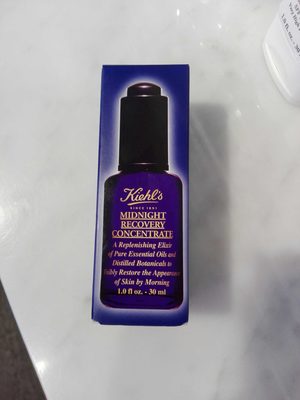 overnight replenishmentSee on AmazonSponsored
If you're looking for a natural way to regenerate your skin, rosehip oil is a great option. Rich in vitamin A, this oil helps improve the appearance of fine lines, wrinkles, and skin texture. But what exactly does rosehip oil do for skin, and how does it work? To understand the benefits of rosehip oil, let's start with the results you can expect. With consistent use, rosehip oil can leave your skin looking smoother, brighter, and more even-toned. But it's not a quick fix - you'll need to be patient and give it time to work its magic. In this guide, we'll walk you through how rosehip oil works, what results to expect, and how to choose a good formula.
Understanding How Rosehip Oil Works
Rosehip oil is rich in vitamin A, which helps to stimulate collagen production and improve skin texture. It also contains essential fatty acids, which help to nourish and moisturize the skin. - When applied to the skin, rosehip oil is easily absorbed, leaving no greasy residue behind. - It's also non-comedogenic, meaning it won't clog pores or cause breakouts. For example, Omorovicza Gold Elixir Face Oil is a great option for dry, sensitive skin, as it targets dryness, dullness, and visible redness.
What Results to Expect and When
With consistent use, you can expect to see visible results from rosehip oil in 4-6 weeks. - Your skin will look smoother, brighter, and more even-toned. - Fine lines and wrinkles will appear reduced, and skin texture will be improved. - It's also worth noting that rosehip oil can help to minimize the appearance of pores, leaving your skin looking more refined and radiant. For those with dry, dull skin, a rosehip oil-based cleanser like Elemis Pro-Collagen Cleansing Balm can be a great addition to your skincare routine.
Choosing a Good Rosehip Oil Formula
When choosing a rosehip oil formula, look for products that are rich in vitamin A and essential fatty acids. - Check the ingredient label to ensure that rosehip oil is listed as one of the main ingredients. - Also, consider the texture and consistency of the product - a lightweight, non-greasy texture is best for most skin types. For overnight replenishment, a face oil like Kiehl's Midnight Recovery Concentrate can be a great option, as it combines rosehip oil with other nourishing ingredients like squalane.
Common Mistakes to Avoid
One common mistake to avoid when using rosehip oil is applying it during the day, as it can make your skin more sensitive to the sun. - Instead, apply it at night, and follow up with a broad-spectrum sunscreen in the morning. - Also, be sure to choose a rosehip oil formula that is rich in vitamin A and essential fatty acids, and avoid products that contain harsh ingredients or artificial fragrances.
Key takeaways
- Rosehip oil helps improve skin texture and reduces the appearance of fine lines and wrinkles, with visible results in 4-6 weeks
- Look for rosehip oil formulas that are rich in vitamin A and essential fatty acids, and have a lightweight, non-greasy texture
- Apply rosehip oil at night, and follow up with a broad-spectrum sunscreen in the morning to protect your skin from the sun
Frequently asked
Can I use rosehip oil on sensitive skin?+
Yes, rosehip oil is generally gentle and non-irritating, making it a great option for sensitive skin. However, as with any new skincare product, be sure to do a patch test before using it on your face. If you experience any redness or irritation, discontinue use and consult with a skincare professional.
How long does it take to see results from rosehip oil?+
With consistent use, you can expect to see visible results from rosehip oil in 4-6 weeks. However, this may vary depending on your individual skin type and concerns. Be patient, and don't be discouraged if you don't see immediate results.
Can I use rosehip oil during the day?+
No, it's not recommended to use rosehip oil during the day, as it can make your skin more sensitive to the sun. Instead, apply it at night, and follow up with a broad-spectrum sunscreen in the morning to protect your skin from the sun.
Is rosehip oil suitable for all skin types?+
Rosehip oil is generally suitable for most skin types, including dry, sensitive, and mature skin. However, if you have oily skin, you may want to use a smaller amount or apply it only to specific areas of concern. As with any new skincare product, be sure to do a patch test before using it on your face.
Can I use rosehip oil with other skincare products?+
Yes, rosehip oil can be used with other skincare products, including moisturizers, serums, and cleansers. However, be sure to choose products that are gentle and non-irritating, and avoid using too many products at once, as this can cause irritation and reduce the effectiveness of the rosehip oil.